Different methods of pain management often are very similar. Which is best for you, and what does chiropractic care provide that the others don’t? Continue reading “Chiropractic care, massage therapy or physical therapy? What’s the difference?”


Different methods of pain management often are very similar. Which is best for you, and what does chiropractic care provide that the others don’t? Continue reading “Chiropractic care, massage therapy or physical therapy? What’s the difference?”

Whiplash injuries from a motor vehicle accident can often leave you with headaches. Here’s some tips on how to alleviate that pain.

Stretching on a regular basis can bring you several health benefits – physical and mental.
Continue reading “8 Benefits of Stretching That Go Way Beyond Flexibility”
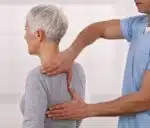
If you’ve experienced any kind of muscle, bone, or joint pain, your healthcare provider may have referred you to a chiropractor to help alleviate your symptoms.
Continue reading “The 4 Most Important Benefits of a Chiropractic Adjustment”

Health insurance can be confusing.
Continue reading “Chiropractic Insurance Explained: Deductibles, Copays, and What’s Covered”

Holiday stress is real.
Continue reading “How a Chiropractor Can Help You De-Stress After the Holidays”

Treating pain isn’t always about what’s in your medicine cabinet. Sometimes, the solution is in your refrigerator.
Continue reading “Foods that Help Inflammation and Some That Don’t”

Our organization recently broke ground on an 11,000-square-foot facility that will house Keith Clinic Estramonte Chiropractic, StarMed Healthcare, and The Blessing Foundation.
Continue reading “Keith Clinic Opens New South Charlotte Location on South Blvd”

It’s easy to see why walking is the most popular physical activity among adults.
Continue reading “12 Walking Tips That Actually Improve Your Posture and Spinal Health”

Quick answer: Shoes can add strain to your lower back, though they are rarely the only cause of back pain. High heels shift your posture forward, worn-out or flimsy soles change how you walk, and a poor fit throws off your balance. Insoles have not been shown to prevent back pain, so if pain continues after you change shoes, get your back evaluated.
If your back aches after a long day on your feet, your shoes are worth a look. They sit at the start of the chain that carries every step’s force up through your ankles, knees, and hips into your lower back. This guide covers which shoe features matter, which styles to limit, what the evidence says about insoles, and when to see a chiropractor.
Footwear can contribute to back pain by changing how you stand and walk, but it is usually one factor among several.
More than 80% of adults have lower back pain at some point, and most cases have no single identifiable cause (NINDS). Shoes affect three things your spine responds to:
Footwear deserves a closer look if your pain is worse after long days standing, started around the time you switched shoes, or flares after wearing heels.
For daily wear, look for a low and stable heel, a supportive midsole, a firm heel counter, and enough room at the toes.
| Feature | What to look for | Why it matters for your back |
|---|---|---|
| Heel height | Low and wide for everyday shoes | Keeps your weight centered instead of pitched forward |
| Midsole and arch | Firm enough that it does not fold in half easily | Keeps your feet from collapsing inward, which changes leg and hip alignment |
| Cushioning | Enough to soften impact on hard floors and pavement | Reduces the jolt that travels up to your spine |
| Heel counter | Firm back of the shoe that holds your heel in place | Improves stability so your back muscles work less to balance you |
| Fit | About a thumb’s width past your longest toe; heel does not slip | Prevents the shortened, gripping stride that loose or tight shoes cause |
| Condition | Replace when the tread wears unevenly or the midsole creases | Worn soles lose support long before the upper looks old |
Shop later in the day, when your feet are slightly larger, and walk on a hard floor before you buy.
High heels are the biggest footwear problem for the spine, followed by flat, unsupportive shoes worn all day.
| Shoe type | What it does to your back | A better approach |
|---|---|---|
| High heels and stilettos | Tip your weight forward, pushing your pelvis, chest, and lower back out of their neutral position | Save them for short occasions; choose 2 inches or lower and a block heel or wedge |
| Flip-flops and slides | Your toes grip to keep them on, shortening your stride, with almost no support | Limit them to the pool or short trips |
| Worn-out sneakers | Collapsed cushioning and uneven tread tilt your feet with every step | Replace them once the sole shows uneven wear |
| Ill-fitting shoes | Change your stride and balance, so your back compensates | Get measured; sizes vary between brands |
| Sudden switch to minimal shoes | Asks feet and calves to take on new load overnight | Transition gradually over several weeks |
Wearing heels now and then is unlikely to cause lasting harm. The pattern that matters is what you wear for most of your waking hours.
Insoles are not a proven back pain fix: a Cochrane review found strong evidence they do not prevent back pain and too little evidence to say whether they treat it.
The Cochrane review looked at both custom and off-the-shelf insoles. A later meta-analysis of 11 trials reached the same conclusion: not enough evidence to support insoles or foot orthoses for treating or preventing low back pain.
Insoles may still improve comfort or help with a specific foot problem. For persistent back pain, though, evaluating and treating the back itself is the more reliable route than buying inserts and hoping.
See a chiropractor if back pain lasts more than a couple of weeks after you change shoes, keeps coming back, or limits your daily activities.
Book a visit if:
Seek urgent medical care instead for back pain with numbness in the groin or inner thighs, new bladder or bowel problems, fever, or pain after a serious fall (NINDS).
At a visit, your chiropractor examines your spine and asks about your routine, footwear included. Treatment at Keith Clinic centers on chiropractic adjustments, with supportive therapies such as massage therapy, intersegmental traction, and heat or cold therapy when they fit your plan.
Good shoes support a healthy back, and swapping heels or worn sneakers for a stable, well-fitting pair is an easy first step. If your back still hurts after that change, the cause may be elsewhere, from everyday habits like long hours at a desk to a joint or muscle problem worth having checked.
Keith Clinic Estramonte Chiropractic has served the Charlotte area since 1959. If you are on your feet all day or dealing with back pain that will not settle, find a Keith Clinic location near you or book an appointment online.